




Why Leaders Must Role Model Equality in the Workplace
Leaders don’t just manage teams, they shape culture.
Every decision, every interaction, and every behaviour sends a message about what the organisation values and what it will tolerate.
This is why leadership plays such a powerful role in eliminating inequality at work.

When leaders model inclusive, equitable behaviours, they signal to the entire organisation:
This is how we treat people here.
This is what success looks like.
This is the standard we expect.
But when leaders ignore inequality, overlook bias, or allow double standards, those behaviours spread quickly through teams, often unintentionally, becoming the norm.
To build a workplace where people are valued for their talent, not personal characteristics, leaders must actively drive equality through their actions, not just their policies.
Leadership as a Cultural Signal
Junior staff watch leaders closely.
Not just for instructions, but for cues about what earns respect, recognition, and opportunity.
Leaders influence:
who gets heard
who gets promoted
whose ideas are valued
how conflict is handled
how differences are treated
what “acceptable behaviour” looks like
This influence is powerful.
It can strengthen equality — or reinforce inequality.
Intentional leadership is what shifts the culture forward.
Why Driving Out Inequality Matters
Equality is not about giving everyone the same experience, it’s about ensuring everyone has a fair one.
When inequality goes unchallenged, it leads to:
inconsistent opportunities
lower engagement and retention
decreased innovation
bias in hiring and promotions
fear of speaking up
reduced psychological safety
a culture of invisibility for certain groups
For organisations aiming to perform at their best, inequality is not just a moral issue — it is a performance issue.
Inclusive Leadership: What It Looks Like in Practice
Driving inequality out of the workplace requires more than statements or policies.
It requires leaders to model the behaviours they expect from others.
Here are key practices of inclusive, equitable leaders:
- They call out bias — even whenit’suncomfortable
Silence supports inequality.
Leaders set the tone by addressing bias when they see it.
- They ensure fair access to opportunities
Stretch projects, training, visibility, and support should not depend on personality, background, or similarity to the leader.
- They listen actively to diverse voices
People feel valued when they are heard — not spoken over or overlooked.
- They build transparent processes
Clear criteria for promotions, performance, and decision-making reduces inconsistency and hidden biases.
- Theydemonstrateempathy and respect
Teams follow behaviours they experience.
Leaders who treat people with fairness and dignity encourage the same in others.
- They celebrate professional accomplishments — not personal similarities
Success should be linked to capability and contribution, not networks, familiarity, or identity.
- They hold themselves — and others — accountable
Creating an equitable workplace is an active commitment, not a passive intention.
What Happens When Leaders Role Model Equality
The benefits are tangible:
stronger team cohesion
higher morale
greater trust
more innovation from diverse contributions
improved retention
increased performance
a reputation as an employer of choice
Equality builds workplaces where people feel safe, valued, and motivated to contribute their best.
That is the foundation of organisational excellence.
Final thoughts
Leaders are cultural architects.
Their behaviour sets the tone for how people treat each other and what the organisation stands for.
Driving out inequality isn’t just “good practice” — it’s essential for building a workplace where capability, contribution, and professionalism determine success.
If your organisation wants to strengthen inclusive leadership, reduce inequality, or build a culture where everyone can thrive, Xseed Lead can help.
Through leadership development, inclusive workplace training, and coaching for emerging and senior leaders, we support organisations to build cultures grounded in fairness, respect, and real opportunity.
Let’s work together to build a more equitable workplace. Book a meeting now.
Author Bio
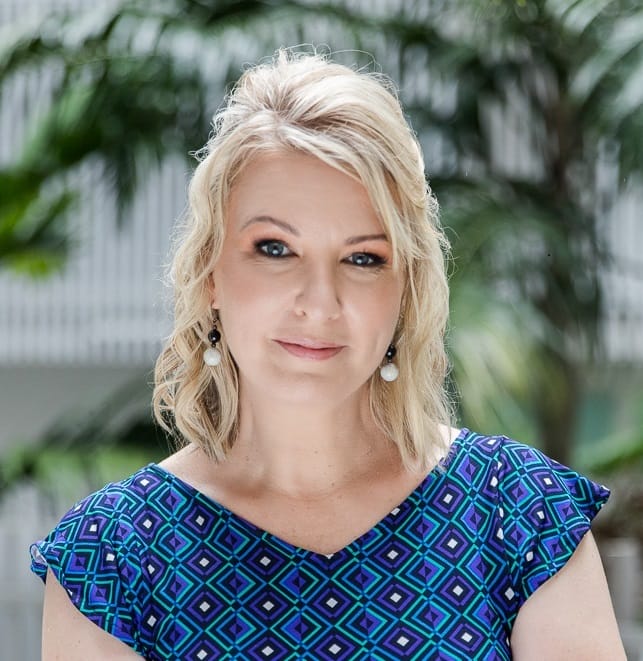
Deborah Knight is the founder of Xsead Lead with a background in organisational and individual leadership and executive coaching.
As a coach, Deborah aims to create an inclusive and respectful space where individuals and organisations can do the work necessary for growth and change. She is also passionate about helping women be valued for themselves while also contributing and being successful.
Apart from her company which she is deeply passionate about, Deborah also loves bushwalking, reading, travelling, and learning new things.
For any coaching or organisational support enquiries Deborah can be contacted via email: info@xseedlead.com.au or via her company website which is www.xseedlead.com.au.

