




Every organisation talks about innovation – new ideas, better solutions, smarter systems, and creative ways of working. But innovation doesn’t happen simply because leaders encourage it. It happens when the organisational environment allows people to experiment, ideate freely, and stretch beyond “how we’ve always done things.”

And here’s where leaders face one of their toughest contradictions:
Innovation requires freedom.
Risk management requires control.
Balancing the two is not easy. Too much risk control, and people stop suggesting new ideas. Too much experimentation, and the organisation loses structure, safety, and focus.
So the question becomes:
How do leaders create a culture where innovation thrives, without exposing the organisation to unnecessary risk?
Let’s break it down.
The Innovation–Risk Tension
Innovation isn’t just about creativity. It involves uncertainty, failure, and change – three things that naturally trigger caution in individuals and systems.
Risk, on the other hand, exists to protect:
financial stability
reputation
operational continuity
stakeholder trust
compliance and safety
The goal isn’t to eliminate risk.
It’s to manage risk in a way that still allows the organisation to evolve.
Why Innovation Matters (More Than Ever)
Today’s environment demands it:
- technology is accelerating
- customer expectations shift quickly
- competition is global
- new business models emerge overnight
- AI and automation reshape roles
- sustainability and ESG requirements influence strategy
Organisations that fail to innovate fall behind.
Organisations that innovate recklessly fall apart.
Thriving organisations?
They innovate intentionally.
4 Ways Leaders Foster Innovation While Managing Risk
- Create psychological safety first
Innovation dies when people are afraid of judgement, punishment, or failure.
When safety increases, creativity increases.
Leaders can support this by:
- encouraging questions and experimentation
- responding to ideas with curiosity
- framing failures as learning
- rewarding effort, not just outcomes
People innovate when they feel safe to try.
- Set boundaries for experimentation
Innovation doesn’t mean “anything goes.”
Clear parameters prevent chaos and unnecessary exposure.
Examples of helpful boundaries:
- time-boxed testing periods
- budget limits for experimentation
- safe-to-fail pilot programs
- defined evaluation criteria
- risk thresholds and escalation paths
Boundaries don’t restrict innovation, they guide it.
- Build cross-functional collaboration
Innovation thrives when different perspectives collide.
Risk is reduced when decisions include diverse expertise.
Leaders can support this by:
- forming cross-functional project teams
- encouraging input from different levels
- involving risk and compliance early
- using collaborative problem-solving workshops
The result?
Better ideas, stronger solutions, fewer blind spots.
- Embed innovation into the system, not just the culture
Many leaders rely on inspiration alone.
But innovation must be supported by process, not personality.
This includes:
- clear pathways for submitting ideas
- structured evaluation and feedback loops
- resourcing and time allocated for innovation
- leadership roles dedicated to improvement
- regular review of risks and benefits
Innovation becomes sustainable when it moves from being “ad hoc” to “embedded.”
Final thoughts
Fostering innovation isn’t about removing risk, it’s about leading through it.
Great leaders create clarity, build trust, and design systems that make experimentation safe and strategic. When people feel supported and guided, innovation becomes part of everyday work, not an occasional event.
If your team wants to innovate more confidently while managing risk effectively, Xseed Lead can help.
We support organisations through:
- Leadership development workshops
- Innovation and problem-solving programs
- Team alignment and capability building
- Executive and emerging leader coaching
Let’s work together to build a culture where ideas thrive, safely. Visit our services page to see how we can help.
Author Bio
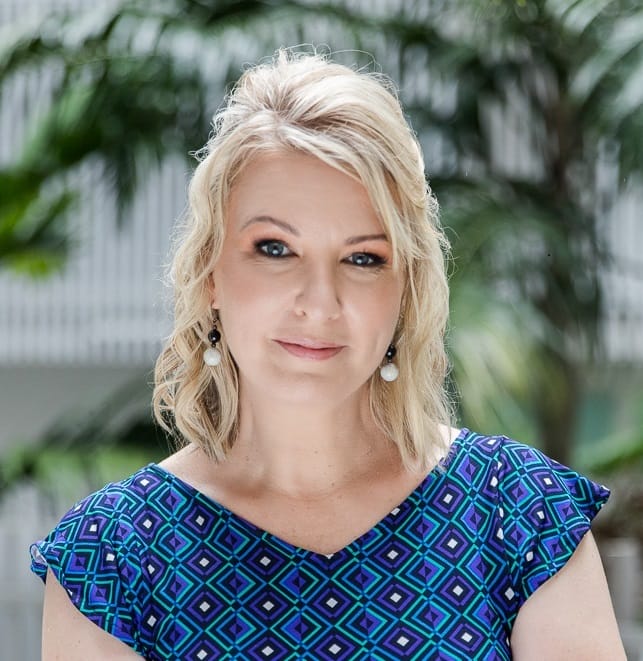
Deborah Knight is the founder of Xsead Lead with a background in organisational and individual leadership and executive coaching.
As a coach, Deborah aims to create an inclusive and respectful space where individuals and organisations can do the work necessary for growth and change. She is also passionate about helping women be valued for themselves while also contributing and being successful.
Apart from her company which she is deeply passionate about, Deborah also loves bushwalking, reading, travelling, and learning new things.
For any coaching or organisational support enquiries Deborah can be contacted via email: info@xseedlead.com.au or via her company website which is www.xseedlead.com.au.

