



Great leaders rarely fit neatly into just one leadership style.
Today’s workplaces are dynamic, hybrid, culturally diverse, and increasingly shaped by digital tools — which means effective leaders often blend elements from multiple styles depending on the situation.
Different styles aren’t “good” or “bad.” Each has strengths, limits, and ideal uses. The real power comes from understanding your natural tendencies and learning how to flex your approach.
A leader isn’t just someone with a title.
Leadership is influence — how you guide, motivate, and support others through your behaviour, decisions, and presence.
So… what’s your leadership style?

Here are eight leadership styles shaping modern workplaces today
1. Transactional Leadership
This style is structured around clear expectations, defined roles, and rewards for performance.
It works well in environments needing consistency, clarity, and high accountability.
Strengths: structure, efficiency, clarity
Watch-outs: limited creativity, can feel rigid
2. Laissez-faire Leadership
Laissez-faire leaders provide resources and support — then step back. Teams are trusted to manage their own decisions and solve problems independently.
Strengths: autonomy, ownership, innovation
Watch-outs: lack of direction for those who need guidance
3. Transformational Leadership
Transformational leaders inspire people toward a shared vision. They focus on motivation, communication, and organisational goals over individual ones.
Strengths: high engagement, strong culture, future-focused
Watch-outs: can overlook structure or operational detail
4. Autocratic Leadership
Also known as authoritarian leadership, this style is decisive and highly results-driven. Autocratic leaders make decisions quickly and expect compliance.
Strengths: clarity, speed, decisive action
Watch-outs: low collaboration, reduced psychological safety
5. Servant Leadership
Servant leaders put people first. They focus on supporting, developing, and empowering others.
Strengths: trust, strong relationships, high morale
Watch-outs: may struggle with boundaries or tough decisions
6. Democratic Leadership
This style invites input, values feedback, and involves the team in decision-making.
Strengths: engagement, collaboration, ownership
Watch-outs: slower decisions, potential for conflict
7. Charismatic Leadership
These leaders inspire through presence, persuasion, and compelling communication. They unify teams around a cause through energy and authenticity.
Strengths: motivation, loyalty, strong vision
Watch-outs: can become leader-dependent without strong systems
8. Eco-leadership / Responsible leadership
This modern style integrates sustainability, ethics, community impact, and organisational responsibility.
Eco-leaders understand that businesses affect ecosystems: social, environmental, digital, and cultural.
In 2026, this often includes:
- ESG considerations
- AI ethics
- Social inclusion
- Long-term community impact
Strengths: purpose-driven, future-focused, connected leadership
Watch-outs: balancing ethics with commercial pressures
So… which leadership style sounds like you?
Here are some reflection questions to help you spot your natural style:
- Do you prefer structure or flexibility?
- Do you make decisions quickly or collaboratively?
- Do you focus more on people, vision, impact, or results?
- Do you thrive by empowering others… or by setting clear direction?
- Do you often lead with logic, inspiration, or service?
Most leaders use a blend, but knowing your centre of gravity helps you grow with intention.
Ready to refine your leadership style?
At Xseed Lead, we help leaders develop confidence, clarity, and a leadership approach aligned with their strengths.
If you’re unsure of your natural style or whether it serves your role well, we can help you understand and refine it.
Book a confidential discussion with us about your leadership goals.
Author Bio
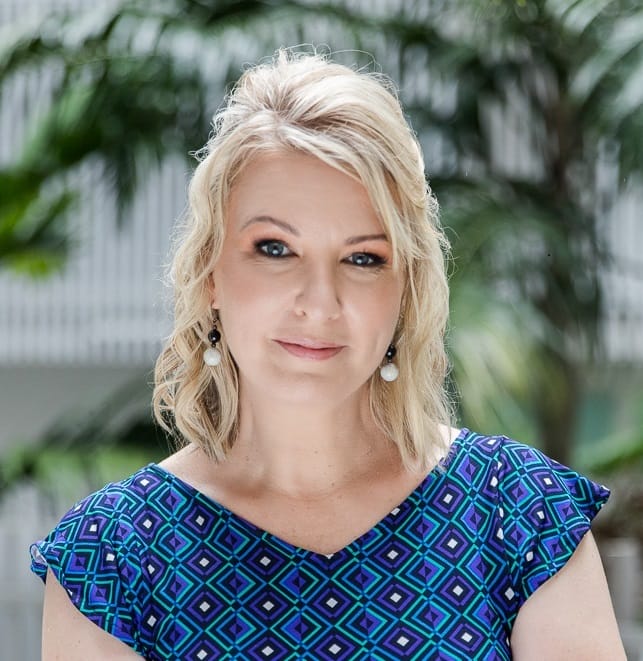
Deborah Knight is the founder of Xsead Lead with a background in organisational and individual leadership and executive coaching.
As a coach, Deborah aims to create an inclusive and respectful space where individuals and organisations can do the work necessary for growth and change. She is also passionate about helping women be valued for themselves while also contributing and being successful.
Apart from her company which she is deeply passionate about, Deborah also loves bushwalking, reading, travelling, and learning new things.
For any coaching or organisational support enquiries Deborah can be contacted via email: info@xseedlead.com.au or via her company website which is www.xseedlead.com.au.