



Why diversity still matters in 2026
Around the world, bias-driven incidents continue to rise. Economic research also shows that discrimination creates huge national productivity losses. The US projects a loss between $1–1.5 trillion from 2019–28, while France estimates a possible economic gain of $3.6 billion if racial employment gaps were reduced.
For organisations, diversity is not just a “nice to have.” It’s a business advantage. Teams that bring different perspectives make better decisions, innovate faster, and build cultures where people feel safe to contribute. But this only happens when leaders actively address unconscious bias.

What is unconscious bias?
Our brains are wired to take mental shortcuts, known as heuristics.
Daniel Kahneman describes two systems:
- System 1 – fast, instinctive, automatic (where bias lives)
- System 2 – slow, deliberate, conscious
Up to 95% of decisions are influenced by System 1—meaning bias often slips into hiring, performance reviews, team allocation, and even everyday communication.
We all carry stored associations about gender, race, age, disability, religion, and more. These associations influence behaviour—even when our conscious beliefs say otherwise.
Three common biases leaders should watch for
1. Moral license
Past “good deeds” make us feel we’ve already done enough.
E.g., “I promoted a woman last year—so I’m already inclusive.”
2. Affinity bias
We naturally favour people who remind us of ourselves—background, personality, school, culture.
In workplaces, this shapes who gets hired, mentored, or trusted with big projects.
3. Confirmation bias
We pay more attention to information that confirms what we already believe.
This leads to misjudging talent, overlooking feedback, or ignoring systemic barriers.
Together, these biases silently shape workplace norms, systems, and leadership decisions.
How to overcome unconscious bias
4 practical, high-impact actions for modern workplaces
1. Fix systems—not just people
Bias training alone won’t shift behaviour long-term.
Meaningful change comes from redesigning organisational systems so bias has less room to operate.
Examples:
- Remove identifying details from CVs before shortlisting
- Apply consistent performance criteria across teams
- Audit promotion, pay, and project allocation patterns
- Use diverse hiring panels
- Review AI recruitment tools for embedded bias
When systems shift, social norms shift—and so does behaviour.
2. Slow down decisions
Bias thrives in speed.
When leaders pause, reflect, and use structured decision criteria, they override instinctive impressions.
Examples:
- Structured interviews with standardised scoring
- Pausing before rejecting or approving a candidate (“What evidence supports this?”)
- Seeking multiple perspectives, especially in talent decisions
Training can help raise self-awareness, but the practice comes from slowing down and checking assumptions.
3. Set clear diversity goals and measure them
Data keeps organisations honest.
Tracking diversity across hiring, retention, promotion, and leadership creates accountability.
Practical steps:
- Compare internal data against industry benchmarks
- Share diversity metrics with internal stakeholders
- Review trends over time to identify hidden barriers
Goals backed by data lead to real progress, not just good intentions.
4. Promote positive imagery and inclusive experiences
Reminding people of stereotypes, even in training, can unintentionally reinforce them.
Instead, workplaces should:
- Highlight diverse role models
- Increase mentoring across groups
- Showcase stories of success from different backgrounds
- Use imagery and language that positively represents all groups
These experiences build new mental associations, and over time, shift instinctive responses.
Conclusion
Addressing unconscious bias isn’t easy, but it is possible, especially when leaders tackle the systems that shape daily decisions. By creating environments where differences are welcomed and supported, organisations unlock stronger performance, deeper trust, and healthier cultures.
At Xseed Lead, we help leaders build inclusive, psychologically safe, bias-aware workplaces.
If your organisation wants support strengthening inclusive leadership and embedding fair systems, we’re here to help. Contact us.
Author Bio
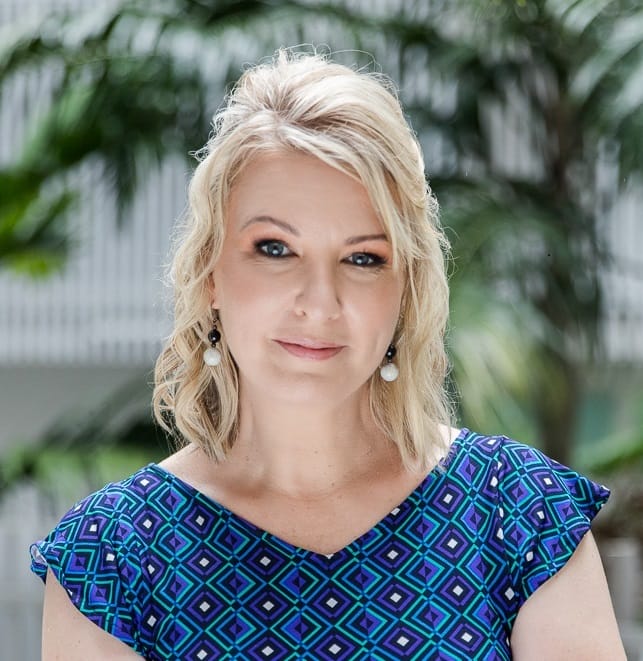
Deborah Knight is the founder of Xsead Lead with a background in organisational and individual leadership and executive coaching.
As a coach, Deborah aims to create an inclusive and respectful space where individuals and organisations can do the work necessary for growth and change. She is also passionate about helping women be valued for themselves while also contributing and being successful.
Apart from her company which she is deeply passionate about, Deborah also loves bushwalking, reading, travelling, and learning new things.
For any coaching or organisational support enquiries Deborah can be contacted via email: info@xseedlead.com.au or via her company website which is www.xseedlead.com.au.

