


Remote and hybrid work are no longer temporary solutions – they’re the new normal. While flexibility brings many benefits, it also raises challenges around communication, engagement, and accountability. A strong culture is the backbone of productive remote teams

Here are 5 essentials every organisation should focus on
1. Equip Your Team with the Right Tools
Productivity thrives when teams have easy access to reliable tools. Beyond email and video calls, modern teams rely on Slack, Microsoft Teams, Asana, Notion, and Zoom for communication, project management, and collaboration. Choose the right mix that fits your workflow.
2. Train and Empower Communication
It’s not enough to hand over tools – teams need training and clear expectations on how to use them. Provide guidance on best practices for virtual meetings, chat etiquette, and how to manage different communication channels. This builds confidence and reduces misunderstandings.
3. Create Feedback Loops that Drive Improvement
Encourage constant feedback. The cycle should be simple: listen, understand, act. When team members feel heard and see their input acted upon, it increases trust and engagement while helping managers adapt processes in real time.
4. Communicate Direction with Clarity & Consistency
Remote teams can quickly feel disconnected. Leaders need to share the bigger picture regularly, from company goals to upcoming changes, so everyone feels aligned and part of something meaningful.
5. Build Culture that Inspires Engagement
Culture is more than policies, it’s how people feel at work. Recognise contributions, celebrate wins, and encourage flexibility. Remote staff are most productive when they feel trusted, supported, and connected to the mission.
For Managers
Support your team by being available, setting clear expectations, and actively seeking feedback. Great remote leadership balances accountability with empathy.
Conclusion
Remote work isn’t just about location, it’s about building a culture where people feel empowered, connected, and motivated.
Ready to strengthen your leadership and team culture? Book a free call with Deborah.
Author Bio
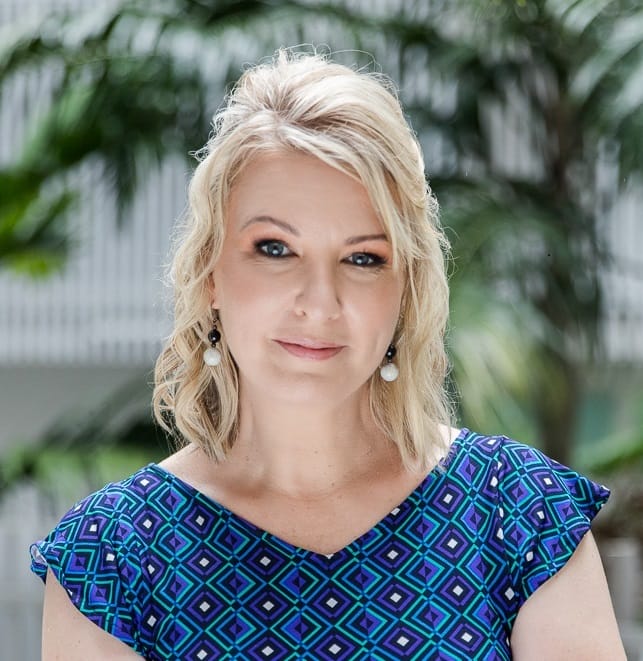
Deborah Knight is the founder of Xsead Lead with a background in organisational and individual leadership and executive coaching.
As a coach, Deborah aims to create an inclusive and respectful space where individuals and organisations can do the work necessary for growth and change. She is also passionate about helping women be valued for themselves while also contributing and being successful.
Apart from her company which she is deeply passionate about, Deborah also loves bushwalking, reading, travelling, and learning new things.
For any coaching or organisational support enquiries Deborah can be contacted via email: info@xseedlead.com.au or via her company website which is www.xseedlead.com.au.